Find a Cold Wave Shelter Anyone Can Warm Up In During Korea's Winter
Key Takeaway
Cold wave shelters are places local governments designate for warming up in winter. A report citing the Ministry of the Interior and Safety counts 53,030 nationwide as of January 2026, from senior centers to banks.
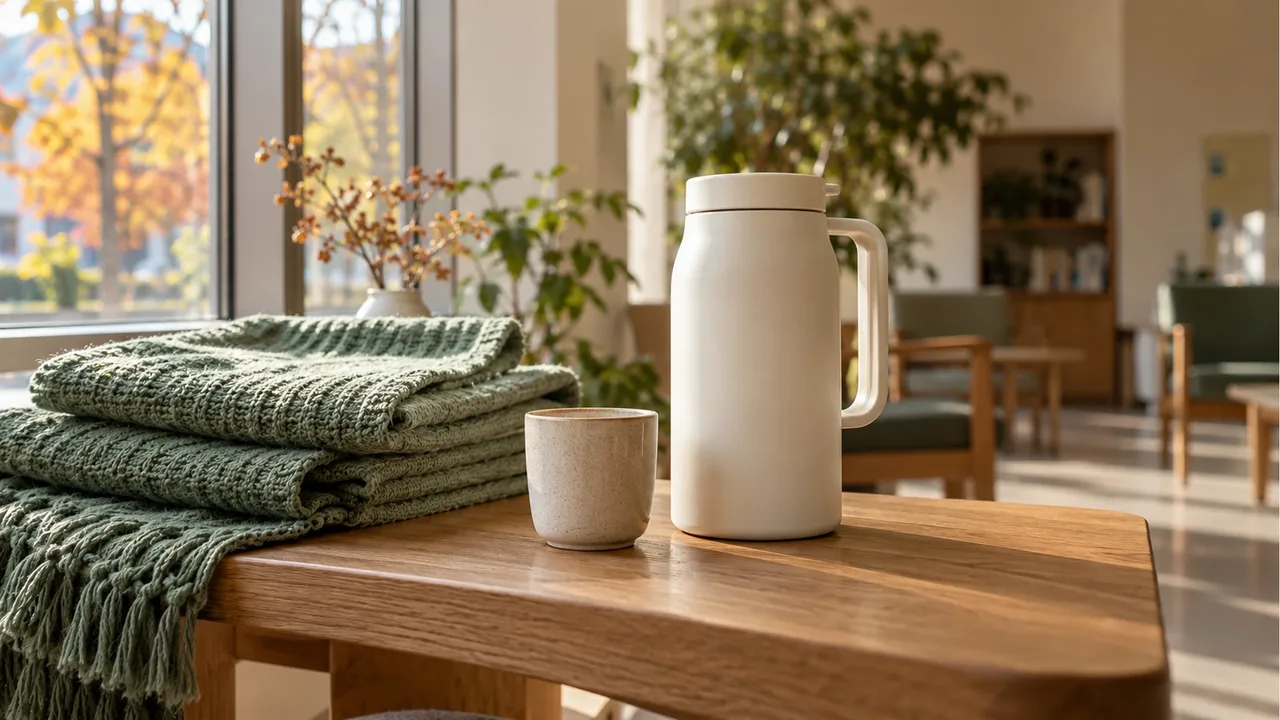
Many local governments start operating shelters in mid-November. Knowing the nearest one in advance means you can step in right away on a day when temperatures suddenly drop.
What are cold wave shelters, and how many are there nationwide?
Under Ministry of the Interior and Safety guidelines, cold wave shelters fall into three groups: public facilities, private facilities, and facilities for specific groups. In Seoul's explanation, public facilities include government offices, private facilities include banks and convenience stores, and group-specific facilities include senior centers and senior welfare centers.
The report citing the Ministry's January 2026 count gives these numbers by type.
| Type | Number of shelters |
|---|---|
| Senior centers | 45,316 |
| Community offices and similar | 3,289 |
| Welfare facilities | 2,518 |
| Smart shelters | 161 |
| Religious facilities | 49 |
| Shelters for special-employment workers | 40 |
The six types add up to 51,373 of the 53,030 total, and the rest are other kinds of facilities not listed in the table. Because senior centers make up such a large share, Seoul also acknowledged in its fact briefing that group-specific facilities account for a high proportion.
Where are the designated shelters in Seoul?
Seoul said that as of January 2, 2026, its districts designated and operated 1,500 cold wave shelters. They ran from November 15, 2025 to March 15, 2026.
Private facilities serve as shelters too. According to the report, Seoul designated 57 convenience stores, 192 banks, and 230 mobile phone stores, and it runs saunas and public bathhouses as overnight cold shelters for residents of jjokbang rooms. A dawn job-seekers' shelter also stands on the plaza at Myeonmok Station for workers waiting for early-morning work.
How do you find the nearest cold wave shelter?
The report describes three ways. They are listed here in the order worth trying first.
- Look up shelters near your current location in the Ministry of the Interior and Safety's Safety Dideumdol app.
- Search for "cold wave shelter" in a map app such as Naver, Kakao, or T map.
- Check the cold wave shelter notice on your city, county, or district website. In Seoul, you can view a map at Seoul Safety Nuri (safecity.seoul.go.kr).
Operating hours differ by shelter, so confirm the hours once more after you find one. Group-specific facilities such as senior centers and shelters for special-employment workers have set eligibility, so check who may enter before you go.
How do you use a bank or convenience store shelter?
KB Kookmin Bank says it runs its branches nationwide as heat and cold wave shelters. You do not need to be a customer. Walk into a nearby branch, and the cold wave shelter period runs from November 15 to March 15 of the following year.
Use hours match business hours, 9 a.m. to 4 p.m. 9To6 Bank branches stay open until 6 p.m. Branches cannot be used in the evening after closing, so if you need somewhere to warm up on the way home from work, look for a facility that stays open past 6 p.m.
What should you do when a cold wave advisory is issued?
On November 28, 2025, the head of the Ministry's Disaster and Safety Management Headquarters inspected a cold wave shelter in Chungju, urged thorough heating management, and asked the public to avoid outdoor activity when a weather advisory is in effect. The guidance also told drivers to slow down and keep a safe distance because of possible black ice.
The exact criteria for cold wave advisories are available from the Korea Meteorological Administration's Weather Nuri (weather.go.kr). On days when an advisory is expected, jot down the location and hours of one shelter near your route before you go out. If a neighbor lives alone, such as an older adult, you can also let them know whether the nearest senior center is open.
Frequently Asked Questions
Can people who don't live in the area use a cold wave shelter?
Facilities for specific groups, such as senior centers and shelters for construction workers, have set eligibility. The report describes the shelters as open to any local resident, and KB Kookmin Bank says anyone can use a nearby branch whether or not they are a customer. For shelters in other areas, it is most accurate to check with the local government that runs them.
How late are cold wave shelters open?
It varies by facility. Bank branches follow business hours: KB Kookmin Bank branches are open 9 a.m. to 4 p.m., and 9To6 Bank branches stay open until 6 p.m. For other facilities, check the shelter information in the Safety Dideumdol app or on your local government's website.
When do cold wave shelters open each year?
Seoul ran its shelters from November 15, 2025 to March 15, 2026, and KB Kookmin Bank says it opens its cold wave shelters from November 15 to March 15 each year. Check your district's announcement for this winter's schedule.
Sources & Verification Date
- Seoul Metropolitan Government Media Hub Fact Briefing on Cold Wave Shelters (posted Jan 5, 2026) · Verified
- Twig24 report "Banks and convenience stores are cold wave shelters too" (Jan 19, 2026, citing the Ministry of the Interior and Safety's January count) · Verified
- Report on KB Kookmin Bank running heat and cold wave shelters at branches nationwide (May 16, 2026) · Verified
- Newsseoul report on the Ministry of the Interior and Safety's on-site inspection of shelter heating (Nov 28, 2025) · Verified