Discover How to Use Seoul's Public Bike Ddareungi and Its Safe Urban Infrastructure
Key Takeaway
Seoul operates an accessible public bike system called Ddareungi, allowing riders to rent and return eco-friendly bicycles across 2,700 stations via a smartphone app.
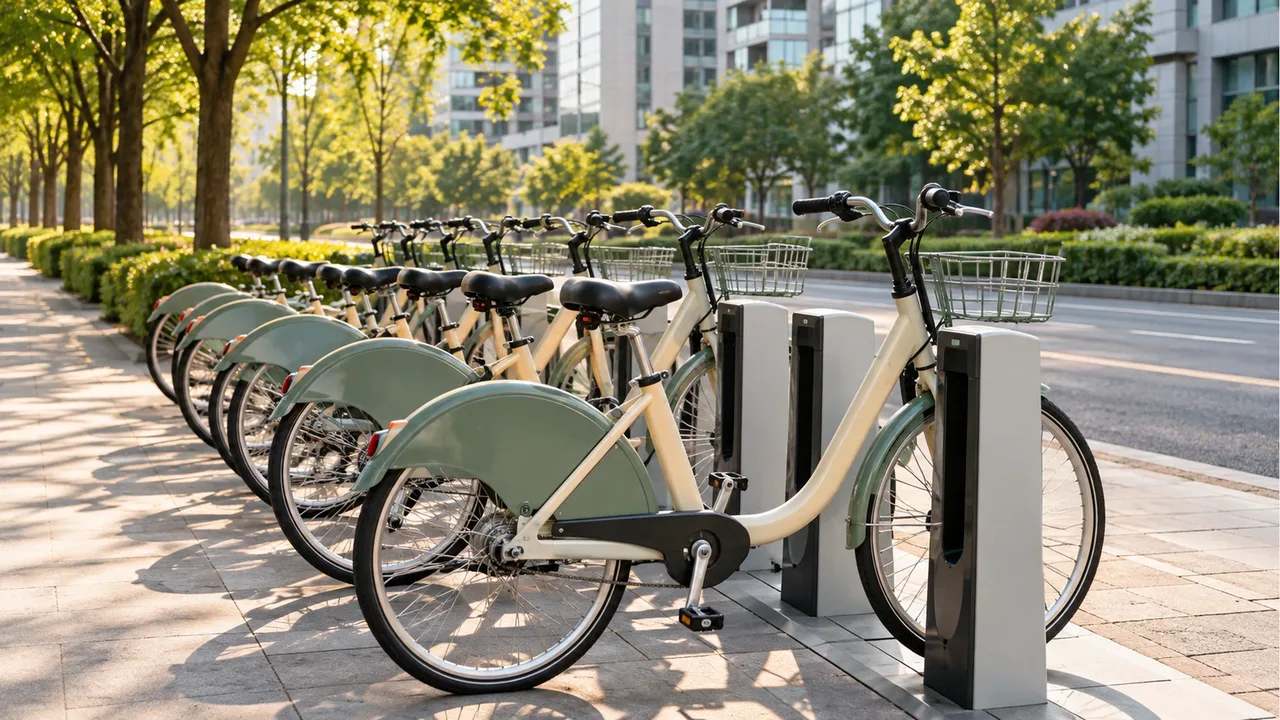
From everyday transit transfers during rush hours to relaxed afternoon rides along the Hangang river, discover how Ddareungi's affordable rates and dependable civic infrastructure work for you.
What are the ticket types and rental rates for Seoul Bike Ddareungi?
Seoul maintains an affordable public pricing system so that any resident or visitor can easily combine public bicycles with subway and bus networks. Riders can purchase passes through the Ddareungi smartphone app or official website.
Tickets are broadly divided into 1-day passes for single-day use and commuter season passes for regular trips. Each pass type offers a choice between a 1-hour package and a 2-hour package per single rental.
| Pass Category | Base Duration | Standard Rate | Overtime Rate | Key Feature |
|---|---|---|---|---|
| 1-Day Pass (1 Hour) | 1 Hour | 1,000 KRW | 200 KRW / 5 min | Unlimited re-rentals within 24 hours of purchase |
| 1-Day Pass (2 Hours) | 2 Hours | 2,000 KRW | 200 KRW / 5 min | Ideal for leisurely sightseeing and longer rides |
| 7-Day Commuter | 1 Hour / 2 Hours | 3,000 / 4,000 KRW | 200 KRW / 5 min | Great for short business trips or weekly commute |
| 30-Day Commuter | 1 Hour / 2 Hours | 5,000 / 7,000 KRW | 200 KRW / 5 min | Recommended for monthly student and worker travel |
| 180-Day Commuter | 1 Hour / 2 Hours | 15,000 / 20,000 KRW | 200 KRW / 5 min | Extended 6-month discounted commuting package |
| 365-Day Commuter | 1 Hour / 2 Hours | 30,000 / 40,000 KRW | 200 KRW / 5 min | Most economical choice for daily all-year riders |
The base duration represents the limit for a single trip. As long as your pass remains valid, returning the bicycle to any station before the time expires and checking out again allows unlimited rides throughout the day without extra fees.
How do you rent and return a bicycle using the smartphone app?
The current generation of Seoul Ddareungi bicycles uses a quick QR code scan system, making rental and return remarkably smooth. Rather than dealing with complex kiosk interfaces, pointing your phone camera at the bike terminal unlocks the mechanism automatically.
- Open the official Seoul Bike Ddareungi app on your smartphone and check the map for bike availability at your nearest station.
- Arrive at the station and scan the QR code located on the lock terminal beneath the saddle using the app's camera.
- Once the voice chime sounds and the rear-wheel lock automatically slides open with a click, pull the bike from the dock and begin riding.
- When reaching your destination, park neatly inside any designated Ddareungi station dock and manually slide down the rear-wheel lock lever.
- Listen for the voice notification confirming return and check your smartphone for the completion push alert before departing.
If all docking posts at a station are full, you can park alongside docked bicycles and lower the lock lever to complete your return safely.
Why does Seoul see remarkably low loss and damage rates compared to other cities?
While public bike initiatives in several international metropolises have faced closures due to widespread theft, abandonment, and vandalism, Seoul stably maintains over 40,000 bikes across the city. This stems from advanced information technology paired with strong civic responsibility.
Every Ddareungi unit features an Internet of Things (IoT) GPS communication module, allowing the municipal operations center to monitor bike coordinates, movement status, and battery levels around the clock.
| Management Pillar | Operational Mechanism | Safety Benefit |
|---|---|---|
| IoT Smart Terminal | Real-time GPS tracking and path transmission | Immediate detection of overdue or strayed bicycles |
| Automated Lock | Rear-wheel physical locking with voice feedback | Robust theft deterrence and on-site return verification |
| Central Control Hub | Monitoring over 2,700 stations across Seoul | Timely fleet rebalancing and rapid repair retrieval |
| Station Docking Rule | Designated parking zones required to stop billing | Preventing pedestrian obstruction caused by random drops |
| Public CCTV Network | High-density urban surveillance around transit hubs | Strong psychological deterrent against vandalism |
Combined with a billing structure that continues until a bike is safely locked at an official station, community respect for public amenities keeps return rates exceptionally high.
How can international tourists rent Ddareungi bicycles?
International visitors who lack a Korean mobile verification number can still rent Ddareungi bicycles without difficulty. The Seoul Facilities Corporation offers a dedicated multilingual web service and streamlined checkout process.
On the official English website (bikeseoul.com) or within the mobile application, select English, Chinese, or Japanese from the top menu to view the foreign traveler portal.
- Access the Foreigner section without requiring full account registration and select your preferred 1-day pass (1,000 KRW for 1 hour or 2,000 KRW for 2 hours).
- Complete payment using major international credit cards such as Mastercard or Visa.
- Enter the issued rental voucher code in the mobile interface or scan the bicycle QR code through your mobile browser.
- For roadside language assistance, riders can access interpretation through the Korea Tourism Organization 1330 hotline or Dasan Call Center 120.
Major scenic areas such as Myeongdong, Gyeongbokgung Palace, and Yeouido Hangang Park feature multilingual signage at stations to help visitors navigate rentals smoothly.
What essential safety guidelines should you follow while cycling?
To enjoy cycling safely through urban corridors, following traffic laws and fundamental road safety practices is essential. The city of Seoul consistently conducts maintenance checks and public safety campaigns to foster a responsible cycling environment.
- Inspect tire pressure, brake responsiveness, and chain condition before setting off.
- Bicycles are legally classified as vehicles under Korean road traffic law, so riders must travel on dedicated bike paths or the right edge of roadways rather than pedestrian sidewalks.
- When crossing pedestrian crosswalks, dismount and walk the bicycle across on foot.
- During nighttime riding, verify that the front dynamo light and rear reflectors activate properly with wheel rotation.
- Riding under the influence of alcohol is strictly prohibited by law and subject to official fines.
- All public bike users are automatically protected by municipal bicycle insurance, providing legal coverage for unexpected riding accidents.
Behind the convenience of quick urban mobility lies a shared civic commitment to protecting pedestrians and obeying traffic rules. Head out into the crisp Seoul air and experience the freedom of Ddareungi supported by an outstanding urban safety network.
Frequently Asked Questions
Can foreign tourists and international visitors use Ddareungi without Korean phone verification?
Yes, international travelers can easily purchase a 1-day pass using foreign credit cards on the official Ddareungi English website or mobile app without Korean cellular identity verification. Only passport details and an international payment card are needed.
What happens if you exceed the base rental duration?
If you exceed your rental period (1-hour or 2-hour pass), an extra fee of 200 KRW per 5 minutes is automatically charged to your registered payment method. For long-distance trips, returning your bike at any nearby station and immediately re-renting it incurs no extra charge.
Are riders insured in case of an accident while cycling?
All users who rent and ride Seoul public bikes are automatically covered by the comprehensive public bicycle insurance policy held by the Seoul Facilities Corporation. Medical expenses and personal liability are supported under official policy terms.
Sources & Verification Date
- Seoul Facilities Corporation Seoul Bike Ddareungi Official Guide (Revised Notice, Apr 15, 2026) · Verified
- Seoul Metropolitan Government Transportation Planning Division Public Bike Operation and Safety Rules · Verified
- Seoul Open Data Plaza Seoul Public Bicycle Rental Station Information · Verified
- Ministry of Government Legislation Road Traffic Act Article 19-2 Bicycle Driver Compliance Obligations · Verified